Manual oil presses represent a time-honored method for extracting oils, utilizing human power to process seeds; various types exist, each with unique features․
What is a Manual Oil Press?
A manual oil press is a mechanical device designed to extract oil from seeds and nuts using physical force applied by a human operator․ Unlike automated systems, these presses rely on muscle power – often through screwing, leveraging, or hydraulic action – to compress the oil-bearing material․
These presses come in diverse designs, including screw, hydraulic, and leverage-based models․ They are characterized by their simplicity and portability, making them suitable for small-scale operations or locations lacking electricity․ The core principle involves applying significant pressure to rupture the oil cells within the seeds, releasing the oil which is then collected․ They represent a sustainable and traditional approach to oil extraction․
Historical Overview of Oil Pressing
The history of oil pressing dates back millennia, with early forms utilizing simple lever and wedge systems to extract oils from olives, seeds, and nuts․ Ancient civilizations, including the Egyptians and Romans, employed basic manual presses for producing oils used in cooking, lighting, and cosmetics․
Over centuries, designs evolved, incorporating screw mechanisms for increased efficiency․ These early presses were crucial for regional economies, providing essential oils for daily life․ The advent of industrialization brought automated systems, but manual presses persisted, particularly in areas where access to electricity was limited or for those seeking traditional, cold-pressed oils․ Today, they represent a connection to a long-standing agricultural practice․

Types of Manual Oil Presses
Manual oil presses come in several designs, including screw, hydraulic, and leverage-based models, each offering distinct mechanisms and varying levels of extraction efficiency․
Screw Press: Design and Operation
Screw presses are a prevalent type of manual oil press, employing a rotating screw within a cylindrical chamber to compress oilseeds; The design features a hopper for seed input and an outlet for expelled oil and oilcake․ Operation involves manually turning a handle, which drives the screw, progressively squeezing the seeds․
As the screw rotates, it increases pressure on the seeds, forcing the oil to separate from the solid matter․ The extracted oil flows through filtration screens, while the remaining oilcake is discharged from the end of the press․ These presses are favored for their relatively simple construction and ability to handle a variety of oilseeds, offering a robust and reliable method for small-scale oil extraction․
Hydraulic Press: Mechanism and Efficiency
Hydraulic oil presses combine traditional pressing with modern technology, utilizing Pascal’s principle to generate substantial force․ A manual hydraulic press features a lever-operated pump that pressurizes oil, which then acts upon a piston․ This piston exerts immense pressure on the oilseeds contained within a pressing chamber․
The mechanism allows for higher oil yields compared to some other manual methods, particularly with seeds requiring significant pressure․ While requiring more physical effort to operate the pump, the increased efficiency makes it suitable for harder seeds․ These presses often offer adjustable pressure settings, optimizing extraction for different seed types and achieving a higher quality oil output․
Leverage-Based Manual Presses: Simplicity and Use
Leverage-based manual presses represent the most straightforward design, relying on mechanical advantage to compress oilseeds․ These presses typically feature a long lever arm connected to a pressing plate or screw․ The operator applies downward force on the lever, amplifying it to generate the necessary pressure to extract oil․
Their simplicity makes them easy to operate and maintain, requiring minimal technical expertise․ While generally yielding lower oil extraction rates compared to hydraulic presses, they are ideal for smaller-scale operations and softer oilseeds․ The comfortable and quiet operation, alongside ease of use, makes them accessible for various operators, embodying a traditional approach to oil extraction․

Oilseed Selection for Manual Presses
Choosing the right seed is crucial; palm fruit and various seed crops yield oil effectively with manual presses, impacting yield and oil quality;
Best Oilseeds for Cold Pressing
Several oilseeds excel when processed using manual, cold-pressing techniques․ Flaxseeds are renowned for their high omega-3 content and yield a flavorful oil, though in smaller quantities․ Similarly, chia seeds offer a nutritious oil, albeit with a lower extraction rate․
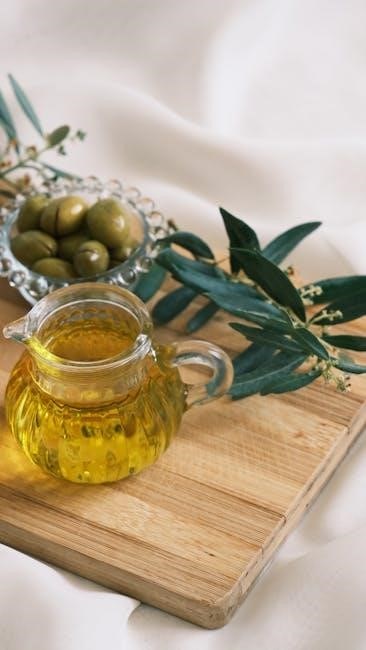
Sunflower seeds are a popular choice, providing a good balance of yield and oil quality, suitable for culinary applications․ Rapeseed (canola) also performs well, producing a versatile oil․ Olive oil, traditionally cold-pressed, benefits from manual methods for small-scale, artisanal production․
Finally, sesame seeds yield a fragrant oil, valued in many cuisines․ The suitability of each seed depends on desired flavor profiles, nutritional goals, and the specific capabilities of the manual press․
Seed Preparation Techniques
Proper seed preparation is crucial for efficient oil extraction with a manual press․ Cleaning seeds to remove debris like stones and stems is the first step, preventing damage to the press․ Many seeds benefit from cracking or flaking to increase surface area, aiding oil release․
Pre-heating seeds gently can improve oil flow, but avoid excessive heat, as it defeats the purpose of cold-pressing․ Moisture content is also vital; seeds that are too dry may not yield efficiently, while overly moist seeds can cause clogging․
Some seeds, like sunflower, require hulling to maximize oil yield․ Consistent seed size also helps ensure even pressure during pressing, optimizing extraction rates and oil quality․
Oil Yield Variations by Seed Type
The amount of oil extracted varies significantly depending on the seed․ Oil-rich seeds like flaxseed and sesame typically yield between 35-60% oil by weight when using a manual press․ Sunflower seeds generally produce around 40-50%, while rapeseed (canola) yields approximately 40-45%․
Palm fruit, though requiring different processing, is known for its high oil content․ Olive oil yield is comparatively lower, often around 20-30%, influenced by olive variety and ripeness․ Peanut oil yields fall in the 40-50% range․
Factors like seed quality, preparation, and press efficiency also impact the final oil yield․ Understanding these variations helps optimize seed selection and pressing techniques․

Advantages and Disadvantages of Manual Oil Presses
Manual oil presses offer cold-pressed oil benefits but have limitations compared to automated systems, presenting trade-offs in efficiency and labor demands;

Benefits of Cold-Pressed Oil
Cold-pressed oil, a hallmark of manual oil presses, retains the natural flavors, aromas, and nutritional value of the seeds․ Unlike refined oils, the cold-pressing process avoids the use of high heat and chemical solvents, preserving vital vitamins, antioxidants, and fatty acids․ This results in a healthier oil option, rich in nutrients like Vitamin E and polyphenols, known for their health-promoting properties․
The absence of chemical residues is another significant advantage, making cold-pressed oils a purer choice for culinary applications․ Furthermore, the superior flavor profile enhances the taste of food, offering a more authentic and enjoyable experience․ Choosing cold-pressed oil supports a more natural and sustainable approach to food production, aligning with health-conscious lifestyles․
Limitations Compared to Automated Systems
Manual oil presses, while offering unique benefits, face limitations when contrasted with automated systems․ Production capacity is significantly lower, requiring substantial manual labor for comparable output․ This translates to increased time and effort for oil extraction, making large-scale production impractical․ Consistency can also be a challenge, as human operation introduces variability in pressure and speed, potentially affecting oil yield and quality․
Automated systems offer precise control, higher throughput, and reduced labor costs․ While manual presses excel in small-batch, artisanal production, automated facilities dominate commercial oil production due to their efficiency and scalability․ Initial investment costs for manual presses are lower, but long-term productivity often favors automated solutions․
Cost-Effectiveness Analysis
Manual oil presses present a compelling cost-effective entry point for small-scale oil production․ Initial investment is considerably lower than automated systems, making them accessible for home use or small farms․ However, a thorough analysis must consider ongoing labor costs; manual operation demands significant time and physical effort․
While the press itself may be inexpensive, the value of labor should be factored in․ Oil yield per unit of seed can also influence cost-effectiveness․ Comparing the price of commercially produced oil versus the cost of seeds and labor for manual pressing is crucial․ For niche markets valuing cold-pressed, artisanal oils, the premium price can justify the higher labor input․

Operation and Maintenance
Manual oil presses require consistent cleaning and lubrication for optimal performance; following step-by-step instructions ensures efficient operation and extends the lifespan of the equipment․
Step-by-Step Operating Instructions
First, ensure the manual oil press is placed on a stable, level surface․ Next, thoroughly prepare your chosen oilseeds, ensuring they are clean and dry, as preparation impacts yield․ Then, carefully feed the seeds into the hopper, avoiding overloading․
Begin turning the handle at a consistent, moderate pace; avoid excessive force․ Monitor the oil flow, adjusting the seed feed rate as needed to maintain steady extraction․ Collect the expelled oil in a clean container․ Periodically check for blockages and clear them promptly․
Finally, once finished, disassemble the press for cleaning, following the manufacturer’s guidelines․ Proper operation maximizes efficiency and ensures the longevity of your manual oil press․
Cleaning and Lubrication Procedures
Regular cleaning is crucial for maintaining a manual oil press’s efficiency and preventing oil rancidity․ After each use, disassemble the press components – hopper, barrel, and pressing chamber․ Wash these parts with warm, soapy water, removing all seed residue․ Rinse thoroughly and allow to air dry completely before reassembly․
Lubrication focuses on moving parts, like the handle mechanism and any gears․ Apply a food-grade lubricant sparingly to these areas to reduce friction and prevent wear․ Avoid over-lubrication, as excess oil can attract debris․ Inspect for wear and tear during cleaning, addressing any issues promptly․ Consistent maintenance extends the press’s lifespan․
Troubleshooting Common Issues
Low oil yield often stems from insufficient seed preparation – ensure seeds are properly cleaned and, if necessary, pre-heated․ Jamming can occur with overly dense seeds or improper alignment; reduce seed quantity and check component positioning․ Handle resistance indicates excessive pressure or worn parts; lubricate moving components and inspect for damage․
Oil leakage might signal loose connections or damaged seals; tighten fittings and replace worn seals promptly․ Inconsistent pressure suggests uneven seed distribution; ensure a consistent feed rate․ Regular inspection and preventative maintenance are key․ If issues persist, consult a manual or seek expert advice․
Semi-Automatic vs․ Fully Manual Presses
Semi-automatic presses blend manual labor with automation, reducing effort while still requiring operator involvement in certain processes, enhancing efficiency․
The Role of Automation in Oil Extraction
Automation in oil extraction, even in seemingly simple processes like those involving manual oil presses, significantly impacts efficiency and output․ While fully manual presses rely entirely on human power, introducing automated elements – such as electric motors for seed feeding or pre-pressing – reduces physical strain and increases processing speed․
Semi-automatic systems represent a crucial stepping stone, automating portions of the process while retaining manual control over others․ This balance allows for increased production compared to purely manual methods, without the substantial investment required for fully automated industrial setups․ The degree of automation directly correlates with labor requirements and, consequently, operational costs․ Ultimately, automation aims to optimize oil yield and minimize human intervention, leading to a more streamlined and productive extraction process․
Comparing Efficiency and Labor Requirements
Manual oil presses, while embodying simplicity, inherently exhibit lower efficiency compared to automated systems․ Output is directly tied to human stamina and consistent effort, resulting in smaller batch sizes and slower processing times․ Labor requirements are substantial; operating a manual press demands continuous physical exertion for seed feeding and oil collection․
Conversely, semi-automatic presses reduce physical strain, allowing a single operator to oversee a larger capacity․ Fully automated systems minimize labor to monitoring and maintenance․ However, this increased efficiency comes at a cost – higher initial investment and potential reliance on specialized expertise for repairs․ The choice hinges on balancing production needs, available resources, and desired levels of manual involvement․
Cost Considerations for Semi-Automatic Options
Semi-automatic oil presses bridge the gap between fully manual and automated systems, presenting a moderate investment․ Initial costs typically range higher than purely manual presses, reflecting the inclusion of electric motors or assisted mechanisms․ However, they remain significantly more affordable than fully automated industrial setups․
Beyond the purchase price, factor in potential electricity consumption, though generally minimal․ Maintenance costs may also be slightly elevated due to the mechanical components․ Despite these factors, the increased throughput and reduced labor demands of semi-automatic presses can lead to long-term cost savings, particularly for small-scale producers aiming to expand capacity without substantial capital outlay․
Applications of Manual Oil Presses
Manual oil presses excel in small-scale production, home culinary use, and support sustainable farming by offering localized, independent oil extraction capabilities․
Small-Scale Oil Production
Manual oil presses are ideally suited for small-scale oil production, empowering individuals and communities to become self-sufficient in oilseed processing․ This is particularly valuable in regions with limited access to large-scale industrial facilities or where preserving traditional methods is prioritized․
These presses allow for the creation of niche oil products, catering to local tastes and demands․ Farmers can directly process their harvest, increasing profitability and reducing reliance on intermediaries․ The relatively low initial investment compared to automated systems makes them accessible to smaller agricultural operations․ Furthermore, the decentralized nature of manual pressing supports local economies and reduces transportation costs associated with oil distribution․
The ability to produce fresh, high-quality oil on a small scale opens opportunities for direct-to-consumer sales at farmers’ markets and local stores․
Home Use and Culinary Applications
Manual oil presses are gaining popularity for home use, allowing enthusiasts to produce fresh, high-quality oils directly in their kitchens․ This provides complete control over the oilseed source and processing method, ensuring purity and flavor․ Culinary applications are extensive, ranging from everyday cooking to gourmet food preparation․
Home-pressed oils offer superior taste and nutritional value compared to commercially processed alternatives, as they retain more of the natural flavors and beneficial compounds․ Individuals can experiment with various oilseeds – sunflower, sesame, flax – to create unique culinary experiences․ The process itself can be a rewarding hobby, connecting users to their food source․
Freshly pressed oils enhance salads, marinades, and finishing touches, elevating the quality of home-cooked meals․
Sustainable Farming Practices
Manual oil presses align seamlessly with sustainable farming practices by enabling localized oil production, reducing transportation needs and associated carbon emissions; Small-scale farmers can directly process their oilseed crops, fostering self-sufficiency and economic independence within their communities․ This decentralized approach minimizes reliance on large-scale industrial agriculture․
Utilizing manual presses often encourages the cultivation of diverse oilseed varieties, promoting biodiversity and resilience in agricultural systems․ The minimal energy input required for operation further reduces the environmental footprint compared to automated systems․ Furthermore, the by-products of oil pressing, like oil cakes, serve as valuable organic fertilizers, closing the loop in sustainable farming;
This supports soil health and reduces the need for synthetic inputs․