COPD Exercises: A Comprehensive Guide (PDF Focus)
Navigating COPD demands proactive management, and readily available PDF resources offer structured exercise plans; These guides detail breathing techniques,
strengthening routines, and aerobic activities tailored for individuals with COPD, promoting improved well-being and symptom control.
Understanding COPD and Exercise
Chronic Obstructive Pulmonary Disease (COPD), a progressive lung disease, significantly impacts breathing and overall physical function. Understanding its effects is crucial before embarking on any exercise regimen. COPD, tragically the fourth leading cause of death globally with 3.5 million fatalities in 2021 according to the World Health Organization, restricts airflow, leading to shortness of breath, wheezing, and chronic cough.
Exercise, however, isn’t just possible with COPD – it’s profoundly beneficial. It doesn’t cure the disease, but it actively addresses its consequences. Regular physical activity strengthens respiratory muscles, improves cardiovascular health, and enhances endurance. Many individuals with COPD fear exercise will exacerbate breathlessness, but a carefully tailored program, often detailed in accessible COPD exercise PDFs, can actually reduce these feelings over time.

These PDFs emphasize a gradual approach. Starting slowly and progressively increasing intensity is paramount. The goal isn’t to achieve peak athletic performance, but to improve daily function and quality of life. A physical therapist’s guidance, often referenced within these PDF resources, is invaluable in creating a safe and sustainable plan. Light to moderate exercise, as suggested by experts, can demonstrably improve both physical symptoms and mood.
The Benefits of Exercise with COPD
Engaging in regular exercise, guided by resources like COPD exercise PDFs, unlocks a multitude of benefits for individuals living with this challenging condition. Beyond simply improving physical capacity, exercise profoundly impacts quality of life. A key advantage is strengthened respiratory muscles, enhancing breathing efficiency and reducing the sensation of breathlessness – a primary concern for COPD sufferers.
Furthermore, exercise boosts cardiovascular health, decreasing the strain on the heart as it works to deliver oxygen throughout the body. This improved circulation contributes to increased energy levels and reduced fatigue. Many COPD exercise PDFs highlight the importance of incorporating both aerobic and strength training exercises to achieve these holistic benefits.
Importantly, exercise isn’t solely physical. It demonstrably improves mood and reduces symptoms of anxiety and depression, common co-morbidities with COPD. The sense of accomplishment and increased independence fostered by a consistent exercise routine contribute to a more positive outlook. Light to moderate activity, as often detailed in these PDF guides, can be remarkably effective in managing both the physical and emotional challenges of COPD, leading to a more fulfilling life.

Before You Start: Important Considerations
Embarking on an exercise program with COPD requires careful preparation, and utilizing a COPD exercise PDF as a guide is a smart first step. However, several crucial considerations precede initiating any routine. Consulting your physician is paramount; they can assess your individual condition, identify potential limitations, and advise on appropriate exercise intensity.
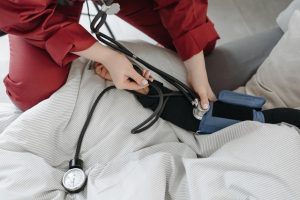
Understanding your oxygen saturation levels is vital, especially if you require supplemental oxygen. Many PDF resources emphasize monitoring these levels before, during, and after exercise. Start slowly and gradually increase intensity – avoid overexertion, which can exacerbate symptoms. Listen to your body and rest when needed.
Proper warm-up and cool-down periods are non-negotiable, preparing your muscles for activity and preventing post-exercise discomfort. Be mindful of environmental factors; avoid exercising in extreme temperatures or high humidity. Finally, familiarize yourself with emergency procedures and have a plan in place should you experience unexpected symptoms. A well-chosen COPD exercise PDF will often address these safety aspects.
Pursed-Lip Breathing: Technique and Benefits
Pursed-lip breathing is a cornerstone technique frequently detailed in COPD exercise PDFs, designed to alleviate shortness of breath and improve breathing efficiency. The technique is simple: inhale slowly through your nose, and then exhale slowly through pursed lips, as if whistling. This creates back pressure, keeping airways open longer.
COPD exercise PDFs often illustrate this with diagrams, emphasizing the controlled exhalation. The benefits are significant. Pursed-lip breathing reduces respiratory rate, decreases feelings of breathlessness, and improves oxygen exchange. It’s particularly helpful during activities that trigger shortness of breath, like walking or climbing stairs.
Regular practice, as guided by a PDF resource, can make this technique automatic. It’s a portable, discreet method for managing symptoms throughout the day. Mastering pursed-lip breathing empowers individuals with COPD to better control their breathing and participate more fully in daily life, enhancing the effectiveness of other exercises outlined in COPD exercise PDFs.
Diaphragmatic Breathing (Belly Breathing): A Step-by-Step Guide
COPD exercise PDFs consistently highlight diaphragmatic breathing, or belly breathing, as a vital technique for improving lung function. This method strengthens the diaphragm, the primary muscle involved in respiration, leading to more efficient breathing patterns. To begin, lie on your back with knees bent, or sit comfortably in a chair.
Place one hand on your chest and the other on your abdomen. Inhale slowly through your nose, focusing on expanding your abdomen – your hand on your belly should rise, while the hand on your chest remains relatively still. Exhale slowly through pursed lips (as described in other COPD exercise PDFs), gently contracting your abdominal muscles.
PDF guides often recommend practicing for 5-10 minutes several times a day. Initially, it may feel awkward, but with consistent practice, diaphragmatic breathing becomes more natural. This technique reduces the work of breathing, conserves energy, and improves oxygen levels, complementing other exercises detailed within COPD exercise PDFs for a holistic approach to respiratory wellness.
Huff Coughing: Effective Airway Clearance
COPD exercise PDFs frequently emphasize the importance of airway clearance, and huff coughing is presented as a less tiring alternative to forceful coughing. This technique helps mobilize mucus from the lungs, easing breathing difficulties. To perform a huff cough, begin by taking a slightly deeper breath than normal.
Then, exhale forcefully, as if fogging up a mirror, keeping your mouth open and your glottis (voice box) relaxed. Avoid a harsh, explosive cough. PDF resources often illustrate this with the sound “haaa.” Repeat this huff cough several times in succession, followed by a period of normal breathing.
Many COPD exercise PDFs recommend combining huff coughing with diaphragmatic breathing to maximize mucus removal. This technique is particularly useful when you feel mucus building up in your airways. Regular practice, as outlined in these COPD exercise PDFs, can significantly improve airway patency and reduce breathlessness, contributing to a better quality of life.
Upper Body Exercises for COPD
COPD exercise PDFs consistently highlight the importance of strengthening upper body muscles, which are often significantly affected by the disease and the effort of breathing. These exercises improve posture, assist with daily activities, and enhance overall functional capacity. Commonly recommended exercises include bicep curls, tricep extensions, and shoulder presses, often utilizing light weights or resistance bands.
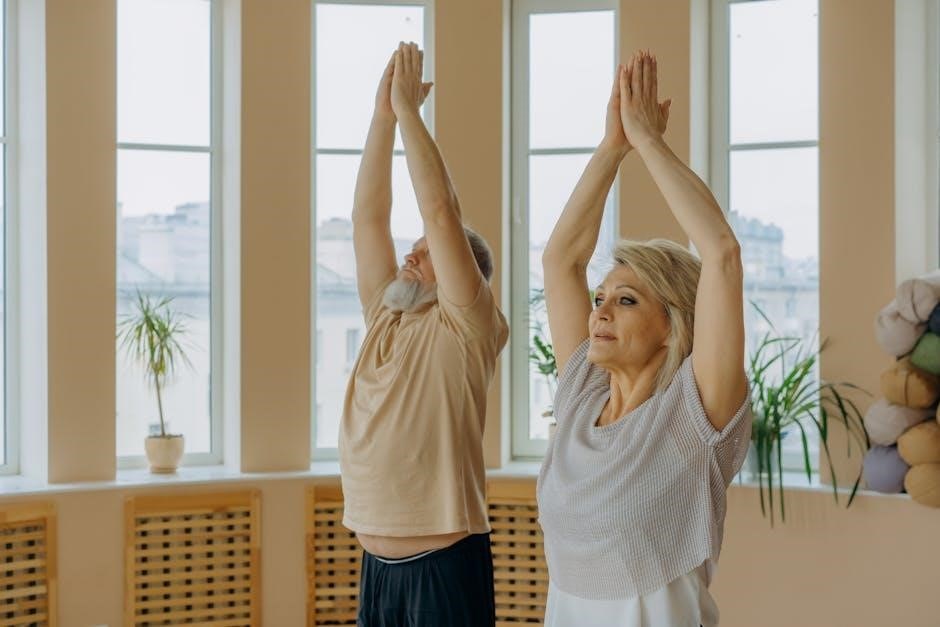
PDF guides frequently demonstrate modifications for individuals with varying levels of fitness and breathlessness. For example, exercises can be performed seated to reduce strain. Wall push-ups are another excellent option, providing a modified version of a traditional push-up. These PDFs emphasize slow, controlled movements with proper form to avoid overexertion.
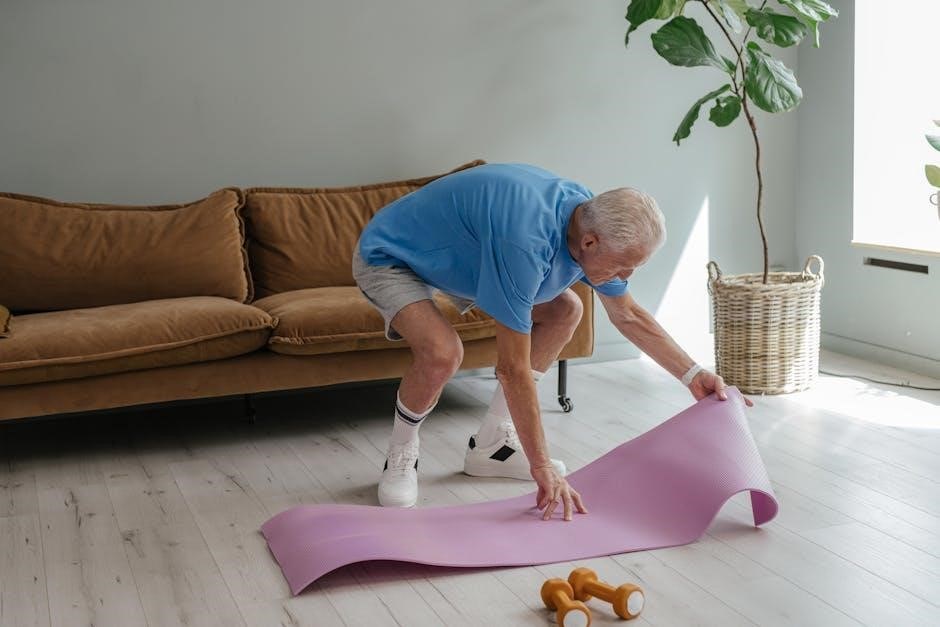
Many COPD exercise PDFs suggest incorporating arm raises and shoulder rotations to improve range of motion and reduce stiffness. Remember to listen to your body and stop if you experience excessive shortness of breath or pain. Consistent upper body strengthening, guided by these COPD exercise PDFs, can significantly improve your ability to perform everyday tasks.

Lower Body Exercises for COPD
COPD exercise PDFs frequently emphasize lower body strengthening to improve mobility, balance, and endurance – crucial for maintaining independence. These exercises counteract muscle weakness often experienced due to reduced activity levels and the increased effort of breathing. Commonly featured exercises include chair squats, leg extensions, and calf raises, often adaptable to different fitness levels.
PDF resources often demonstrate modifications, such as performing squats to a higher chair or using support for balance. Short, controlled leg lifts while seated are also frequently recommended. These guides stress the importance of maintaining proper form to prevent injury and maximize effectiveness. Walking programs, detailed in many PDFs, are considered foundational for lower body strength.
Many COPD exercise PDFs suggest incorporating heel-toe walking to improve gait and balance. Remember to pace yourself and take breaks when needed. Consistent lower body strengthening, guided by these COPD exercise PDFs, can significantly enhance your ability to walk, climb stairs, and participate in daily activities with greater ease and confidence.
Chair Exercises for COPD: Accessibility and Safety
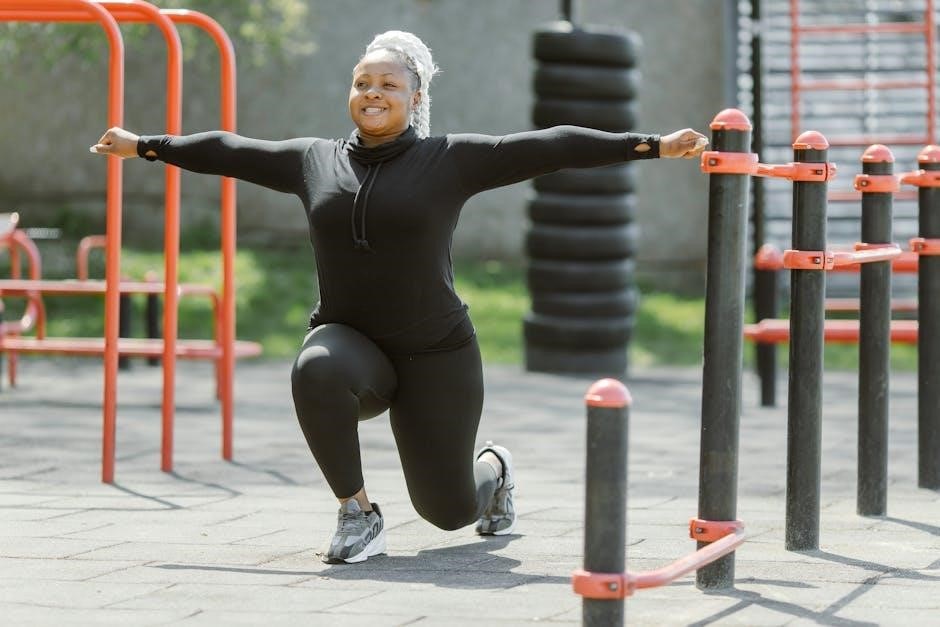
COPD exercise PDFs prioritize accessibility, making chair exercises a cornerstone for individuals with limited mobility or significant breathlessness. These exercises offer a safe and effective way to maintain strength and flexibility without the risk of falls. PDF guides typically showcase seated bicep curls, overhead presses using light weights or resistance bands, and seated marching.
The emphasis in these PDFs is on controlled movements and proper breathing techniques. Chair-based exercises minimize strain on the cardiovascular system, allowing individuals to exercise comfortably within their limitations. Many resources detail seated twists to improve core strength and range of motion. PDFs often include modifications for varying fitness levels, ensuring inclusivity.
Safety is paramount, and COPD exercise PDFs consistently advise using a sturdy chair with back support. They also recommend stopping immediately if experiencing excessive shortness of breath or chest pain. Chair exercises, as detailed in these COPD exercise PDFs, provide a practical and empowering way to manage COPD symptoms and improve quality of life.
Walking and Aerobic Exercise for COPD
COPD exercise PDFs frequently highlight walking as a foundational aerobic activity, emphasizing its accessibility and low impact. These guides detail progressive walking programs, starting with short, slow walks and gradually increasing duration and intensity. PDF resources often include interval training suggestions – alternating between periods of faster walking and slower recovery.
Beyond walking, COPD exercise PDFs may introduce other low-impact aerobic exercises like stationary cycling or water aerobics. The core principle is to elevate the heart rate modestly while minimizing breathlessness. PDFs often provide guidance on using the Borg Scale of Perceived Exertion to monitor intensity. They stress the importance of pacing oneself and taking frequent breaks.
Aerobic exercise, as outlined in these PDFs, improves cardiovascular health, increases endurance, and enhances oxygen utilization. Safety considerations detailed in COPD exercise PDFs include warming up before exercise, cooling down afterward, and carrying a personal inhaler. These resources empower individuals to incorporate aerobic activity into their daily routines, improving their overall well-being.
Strength Training for COPD: Building Endurance
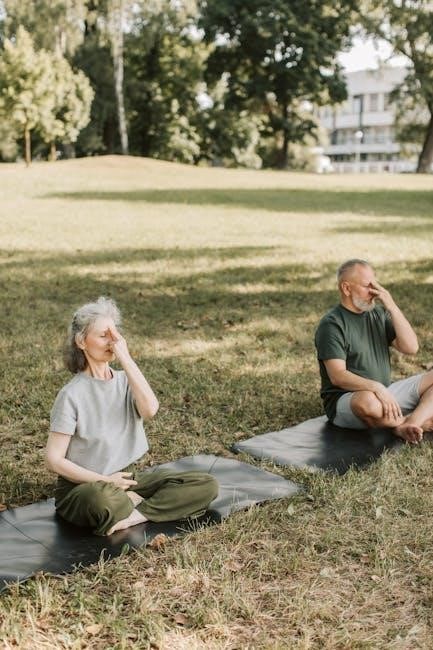
COPD exercise PDFs consistently emphasize the benefits of strength training for improving muscle strength and endurance, crucial for daily activities. These resources detail exercises targeting major muscle groups – arms, legs, chest, and back – often utilizing resistance bands or light weights. PDF guides frequently include visual demonstrations of proper form to minimize injury risk.
Strength training programs in COPD exercise PDFs typically begin with low resistance and higher repetitions, gradually increasing the weight as strength improves. They often suggest performing 8-12 repetitions of each exercise, focusing on controlled movements. PDFs highlight the importance of breathing properly during each lift – exhaling during exertion.
The benefits of strength training, as detailed in these PDFs, extend beyond muscle strength, improving bone density and reducing fatigue. Safety guidelines within COPD exercise PDFs advise consulting a healthcare professional before starting any new exercise program. These resources empower individuals to build strength, enhance their functional capacity, and improve their quality of life.
Exercise and Oxygen Therapy: A Combined Approach
COPD exercise PDFs frequently address the integration of exercise with oxygen therapy for individuals who require supplemental oxygen. These resources clarify that exercise can be safely and effectively performed while using oxygen, often improving exercise tolerance and reducing breathlessness. PDF guides emphasize the importance of discussing oxygen flow rates with a healthcare provider before starting any exercise program.
PDFs detail how to monitor oxygen saturation levels during exercise, typically using a pulse oximeter, and adjust flow rates as needed, guided by medical advice. They often include specific recommendations for exercise intensity based on oxygen saturation targets. These resources highlight that the goal is to maintain adequate oxygen levels without exceeding a prescribed maximum flow rate.
COPD exercise PDFs stress that oxygen therapy isn’t a replacement for exercise, but rather a tool to enable more effective and comfortable participation. Safety precautions within these PDFs advise against exercising alone while on oxygen and emphasize the importance of having a plan in place for managing any symptoms that arise.
Creating a Personalized COPD Exercise Plan (PDF Resources)
Numerous COPD exercise PDFs offer templates and guidance for crafting individualized exercise plans. These resources emphasize the necessity of starting slowly and gradually increasing intensity and duration, based on individual capabilities and symptom response. PDFs often include questionnaires to assess current fitness levels and identify limitations.
A key feature of these PDFs is the breakdown of exercises into categories – breathing exercises, upper body, lower body, and aerobic – allowing for a balanced approach. They frequently provide sample weekly schedules, adaptable to personal preferences and medical recommendations. PDF guides highlight the importance of incorporating rest days to prevent overexertion and allow for recovery.
These COPD exercise PDFs consistently advise consulting with a healthcare professional or pulmonary rehabilitation specialist to tailor a plan specifically to one’s condition. They also stress the value of tracking progress, noting improvements in exercise tolerance and reductions in breathlessness, to refine the plan over time. Ultimately, these resources empower individuals to take control of their COPD management through personalized exercise.
Monitoring Your Progress and Adjusting Your Plan
Consistent monitoring is crucial when following a COPD exercise plan, often facilitated by tracking tools within COPD exercise PDFs. Regularly assess your breathlessness levels before, during, and after exercise, using a scale of 0-10 to quantify your experience. Note any unusual symptoms like chest pain or dizziness, and promptly report them to your healthcare provider.
PDF resources often suggest keeping an exercise diary to record completed activities, duration, intensity, and perceived exertion. Analyze these entries to identify patterns – are you consistently struggling with a particular exercise? Is your breathlessness improving over time? Based on these observations, adjust your plan accordingly.
If an exercise feels too challenging, reduce the intensity or duration. Conversely, if an exercise feels too easy, gradually increase the challenge. Remember, the goal is to find a sustainable level of activity that improves your fitness without exacerbating your symptoms. COPD exercise PDFs emphasize that adjustments are a normal part of the process, ensuring long-term success.
Finding Reliable COPD Exercise PDFs and Support
Locating trustworthy COPD exercise PDFs requires careful consideration. Reputable sources include the American Lung Association, the COPD Foundation, and the National Heart, Lung, and Blood Institute – their websites offer downloadable guides created by medical professionals. Ensure the PDF is current, evidence-based, and tailored to varying COPD severity levels.
Beware of generic exercise plans not specifically designed for COPD, as they may be unsafe or ineffective. Look for PDFs that emphasize breathing techniques alongside physical activity, and clearly outline safety precautions. Many PDFs also include modifications for individuals with limited mobility or other health conditions.
Beyond PDFs, support groups and pulmonary rehabilitation programs provide invaluable guidance. The COPD Foundation offers a directory of programs, and online forums connect you with others managing the condition. Remember, a healthcare professional should always approve your exercise plan, supplementing COPD exercise PDFs with personalized advice.